Anthropogenic Greenhouse Effect
A gradual concern
The anthropogenic greenhouse effect is the result of greenhouse gas emissions done so by human endeavors, these gases diminish the atmospheres ability of allowing light rays to escape our atmosphere effectively avoiding heat being trapped inside. Carbon dioxide(CO2) in particular is the greenhouse gas that prevents this process from happening, while other greenhouse gases such as methane(CH4), nitrous oxide(N2O), ozone(O3) and chlorofluorocarbons(CFCs) contribute to this effect amplifying it. This is often shown evident through data that shows a concerning rise of temperature from one year and another, making the anthropogenic greenhouse effect not a myth but a very much real concern.
Five Factors to Explain the Record Heat in 2023 (January 13th, 2024)
From 2021 alone the accumulation of CO2 was recorded at concerning amounts. The rate of which we are burning fossil fuels like coal, natural gas and oil to power our needs from lightbulbs to automobiles is resulting in an ever-increasing asymptotic curve. All the more creating an atmospheric blanket trapping heat that is going to gradually build up causing the temperatures of the planet to continuously rise unless it is interfered with.
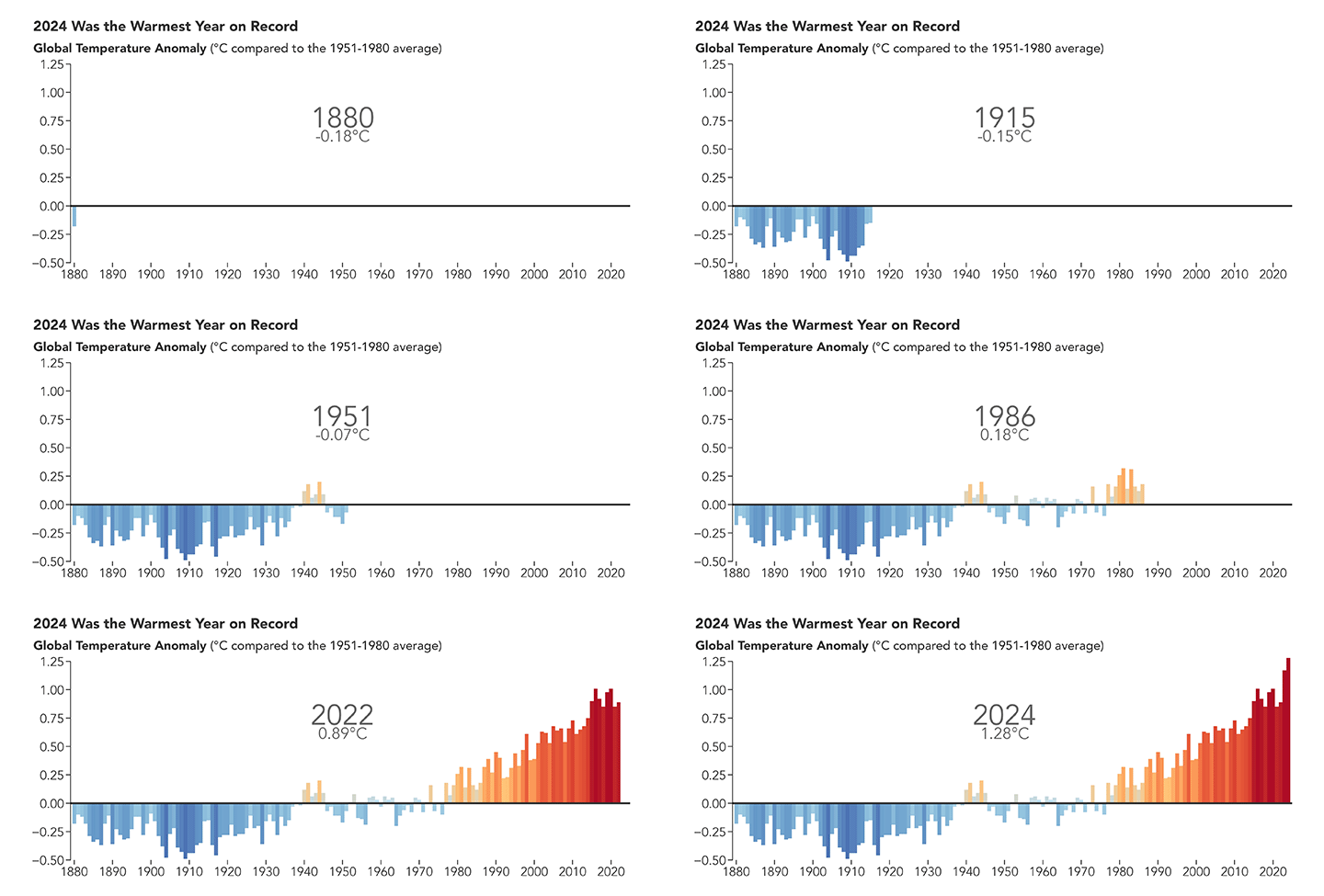
2024 Was the Warmest Year on Record (January 11, 2025)
As a result sea temperatures began to rise and continued to do so, by 2023 the world saw it's hottest year on record. With the global temperature calculated to be 2.1 degrees Fahrenheit which is 1.2 degrees Celsius above NASA's baseline period (1951-1980). Though recently just last year 2024 was recorded at 2.30 degrees Fahrenheit which is 1.28 degrees Celsius above the baseline period, surpassing the record set previously in 2023.
Abnormal erratic weather
The greenhouse effect can act as an acute disruption to the natural medium the Earth's climate that it has been observed to maintain. Assuming nothing is done to even mitigate the issue increased temperatures could lead to enhanced contrasts between masses of warm and cool air. As a result an intensification of atmospheric circulation starts to gradually form irregular patterns. We already see this at a smaller scale with tornados. These can stall weather systems with warmer temperatures increasing evaporation across land and ocean which leads to a build up of moisture in the atmosphere essentially fueling enough intensity to result in concerningly erratic storms.
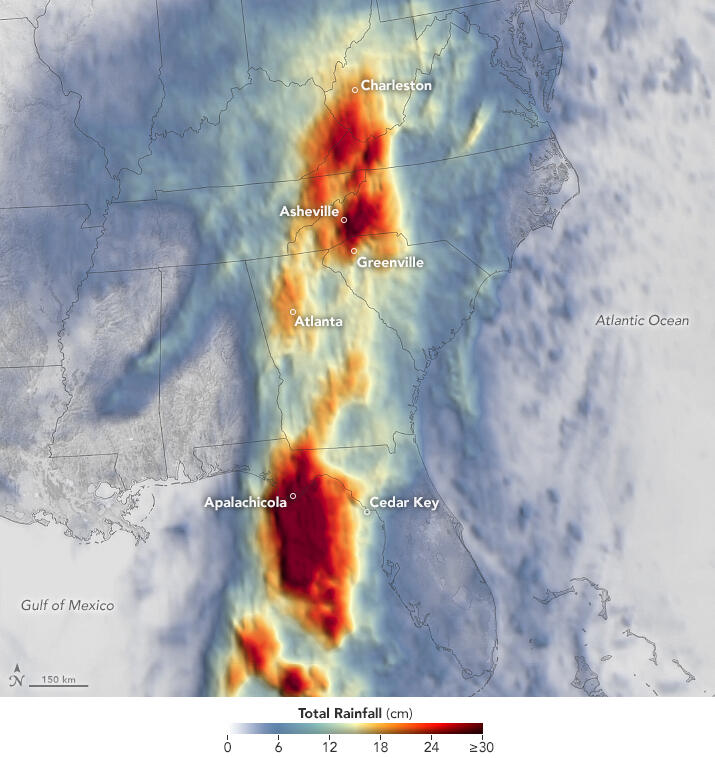
Devastating Rainfall From Hurricane Helene (October 1, 2024)
In a particular case, Hurricane Helene as a result of it's intensification also had intensified rainfall, described to be 'devastating'. By 11:10 pm it was classified as a Category 4 storm EST on September 6 as a result of the intense rain. By September 25 deadly and destructive floods came as a result of the intensified rainfall. The storm resulted in neighborhoods being swamped, damaged roads, numerous landslides and knocked out electricity and cell services which led to the further compromise of the safety of those caught in the storm.
hurricane Helene
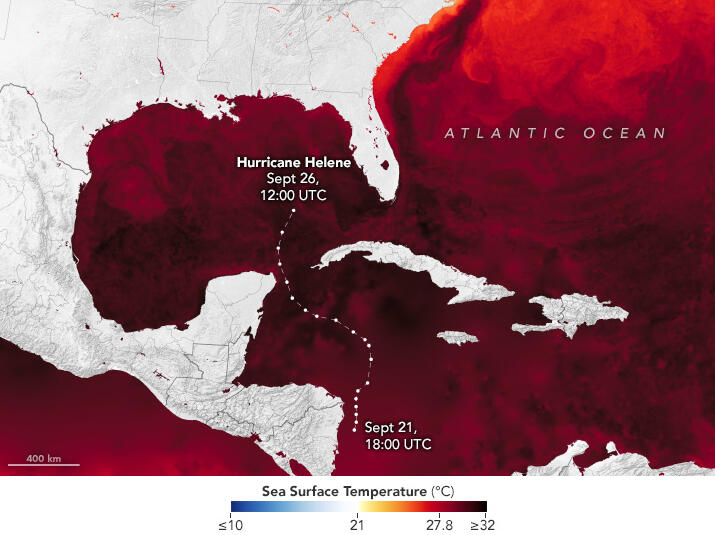
Hurricane Helene was a relatively recent hurricane that happened in late September 2024, the gulf of Mexican waters at the time were abnormally heated essentially record-hot (27.8-31 degrees Celsius, 82-87.8 degrees Fahrenheit) These abnormally warm waters supplied extra energy to the hurricane resulting in much more ruthless winds and rains. Overall the bath-tub like temperatures in the gulf are suggested to be a direct consequence of ocean heat absorption. Climate change boosted Helene's wind speeds by 11% with it's rainfall increased by 10%.